ATTRACTION.
What is it?
Do you have it?
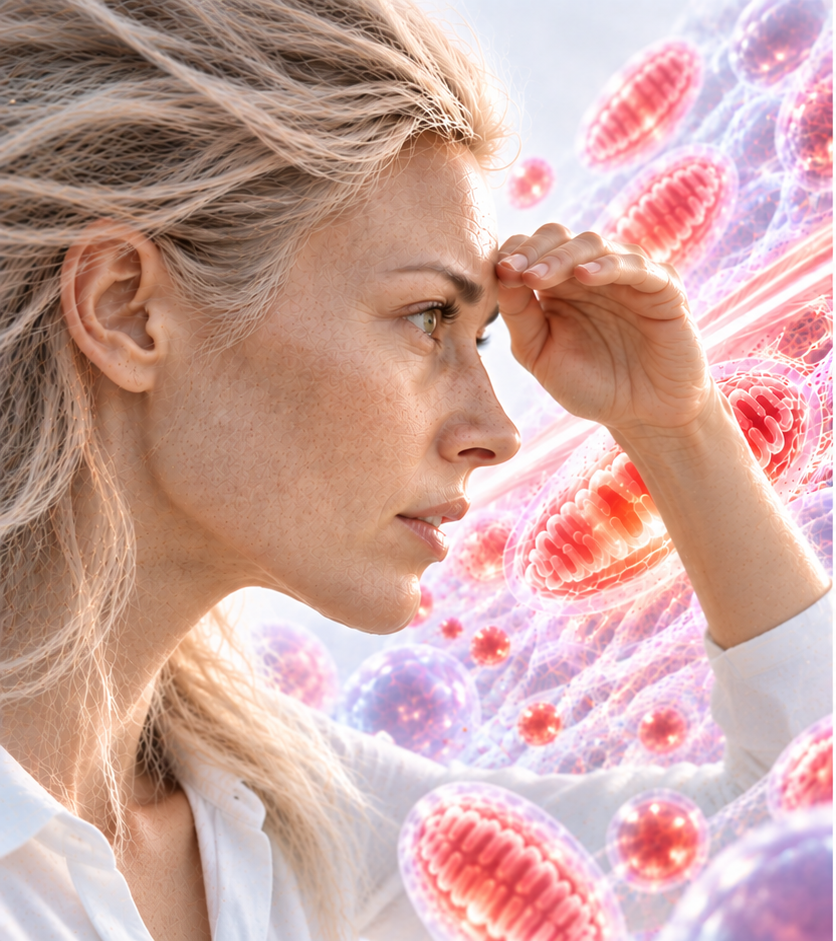
Your cells are attracted to red light. Here's why.
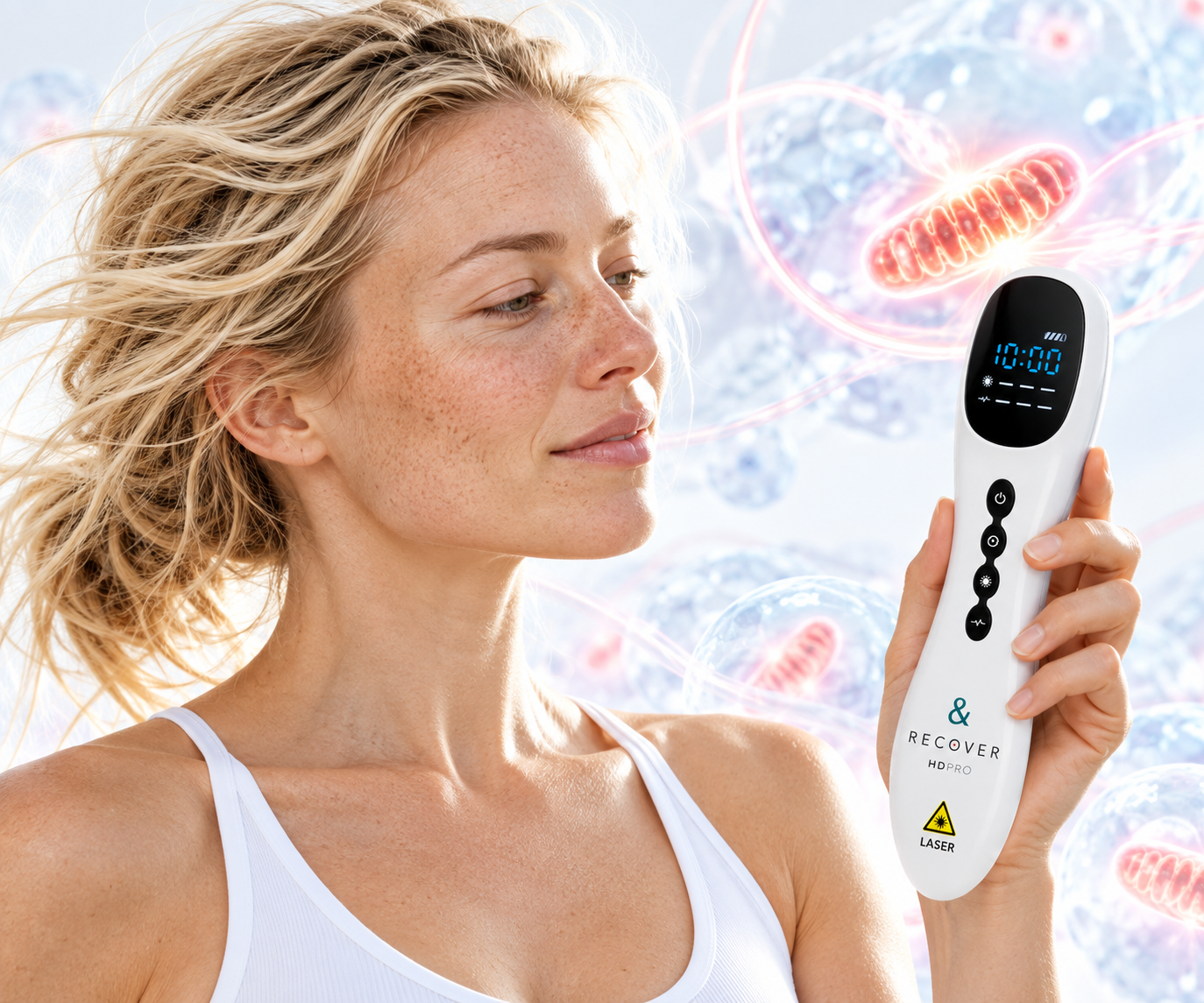
Never heard of mitochondria? You’re not alone.
These fascinating structures live inside almost every cell in your body — and remarkably, they carry their own DNA.
Best known for helping produce the energy our cells need, mitochondria are also involved in metabolism, cellular signalling and the way our bodies respond and adapt.
And there’s something else rather interesting about them:
Mitochondria can respond to light.
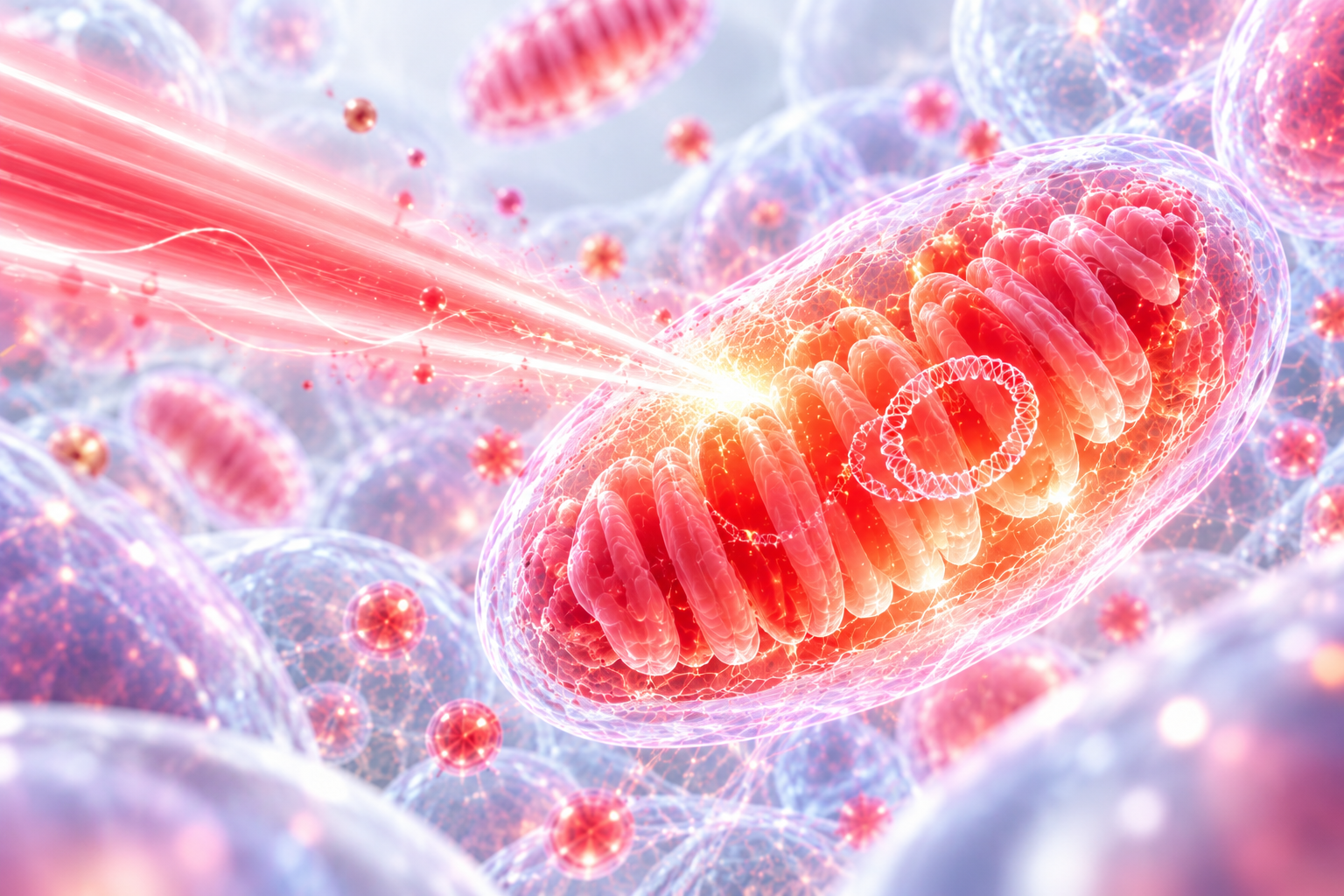
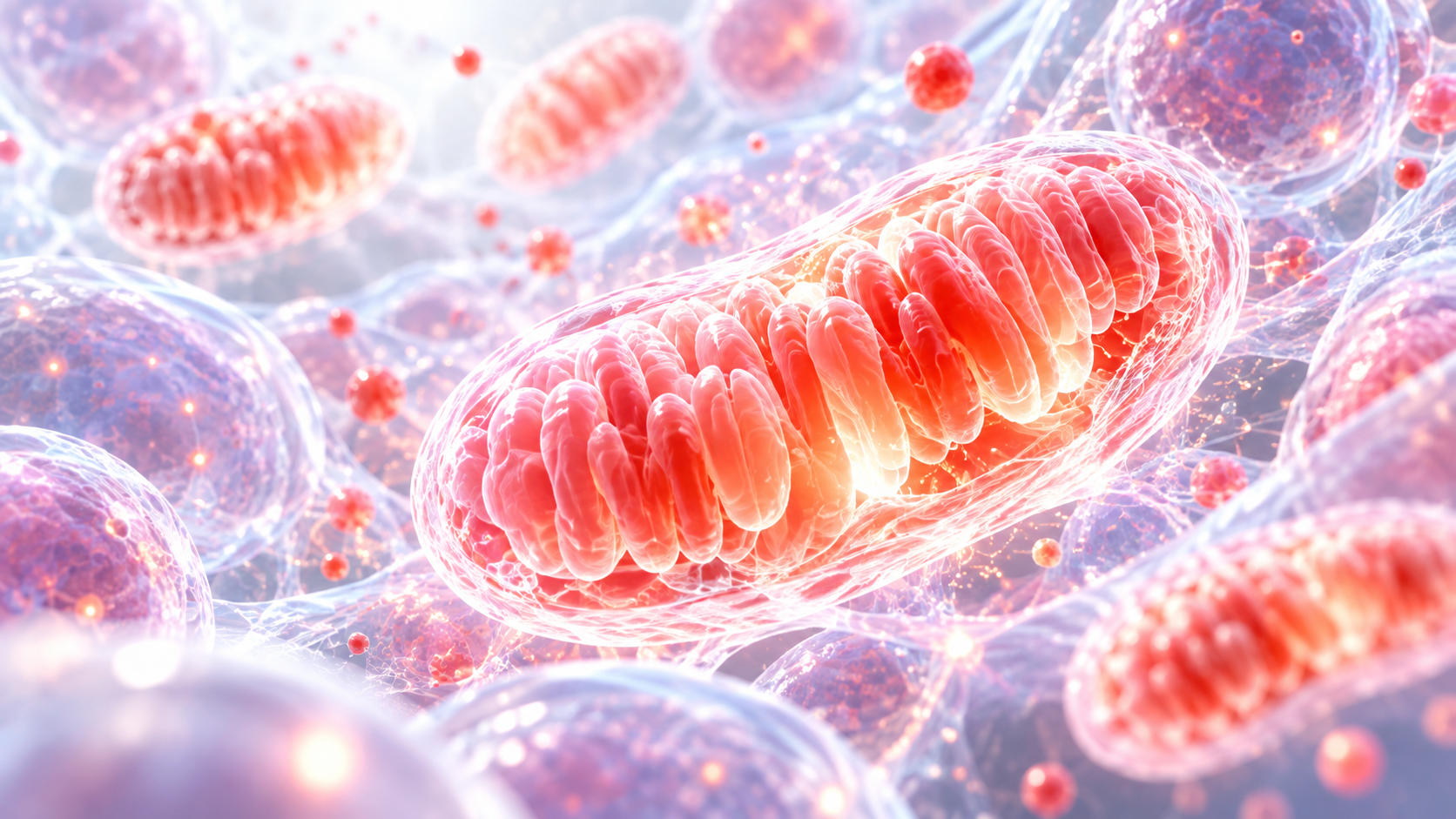
MITOCHONDRIA.
The powerhouse of the cell.
Release the power.

Looking good
Feeling good
Moving well
FEEL THE DIFFERENCE
Beauty • Recovery • Movement
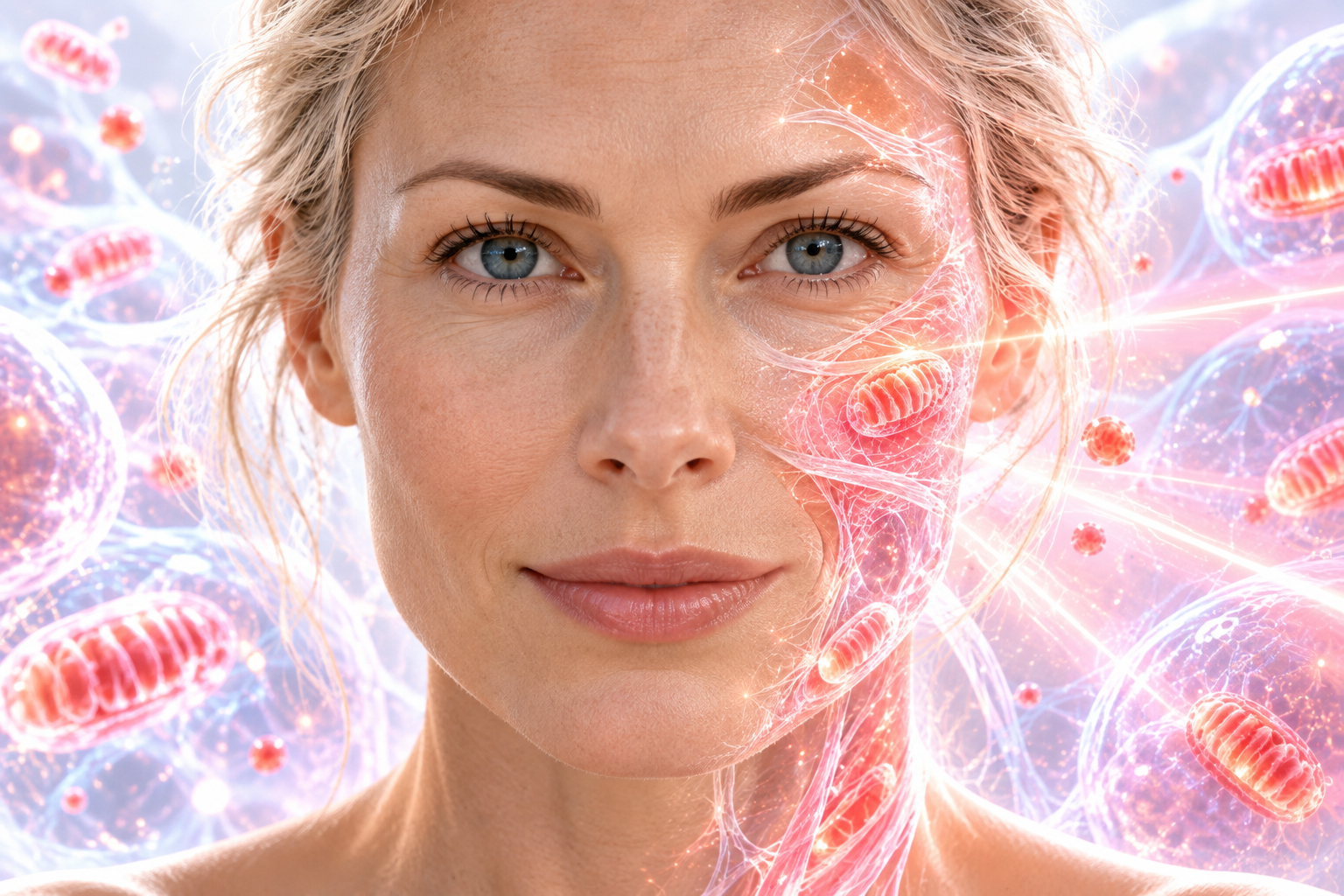
BEAUTY
More than skin deep.
Red and near-infrared light reach beyond the surface. Research suggests photobiomodulation can influence cellular activity associated with skin health, including fibroblast activity and collagen production.
Don’t just cover the skin. Look after the biology
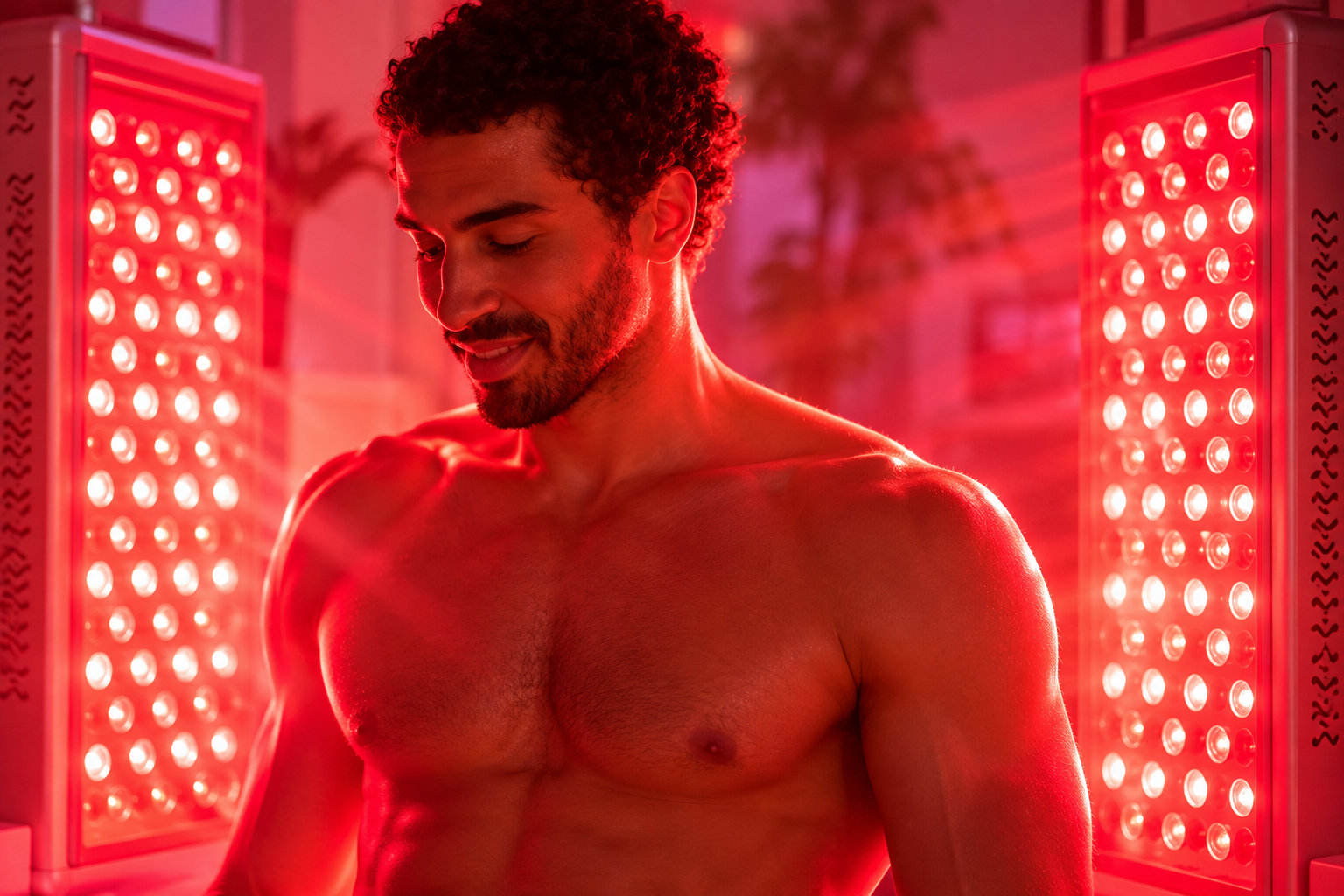
RED LIGHT
Red and near-infrared LED light can be delivered across larger areas of the body.
From skin and appearance to exercise, recovery and everyday wellbeing.
More than beauty
LIGHT FOR THE WHOLE HUMAN
LED light for larger areas. Laser light for targeted recovery.
RECOVERY
Keep moving. But should you just push through?
You often hear “Keep moving.” But how you feel matters too. “These things get better by themselves.”
Perhaps. But how long will it take? One month? Two months? Three? And what is actually happening inside your body while you wait?
Your body has already started the repair
Following an injury, your body gets to work remarkably quickly. Early collagen is laid down to help stabilise and repair damaged tissue. But this initial repair is only the beginning.
Over the following weeks and months, the tissue is gradually remodelled and reorganised as your body works towards a stronger, more functional repair.
Movement, appropriate loading and recovery all play a part in that process.
But what happens if recovery is incomplete?
Feeling better doesn’t always mean everything is back to how it was.
If normal movement, strength and function aren’t fully restored, you may begin to compensate without even noticing — changing the way you move or the way you load a joint.
Months or even years later, that difference may become noticeable: a joint that feels less free, or moving less than you used to.
Some significant joint injuries are linked to joint problems later in life.
Support the recovery process Red and near-infrared light, as part of a routine you can enjoy at home
Rather than simply waiting and hoping, &Recover is about understanding recovery, supporting the process and helping you get moving again.
Recovery isn’t only about how you feel today. It’s about looking after tomorrow’s movement.
MOVEMENT
Losing confidence in your body happens quietly.
It's rarely one big injury. It's the stairs you start avoiding, the walk you cut short, the class you stopped going to "for now." Reduced movement leads to reduced balance, reduced balance leads to reduced confidence, and reduced confidence leads to moving even less — a cycle that accelerates the very decline people are trying to avoid.
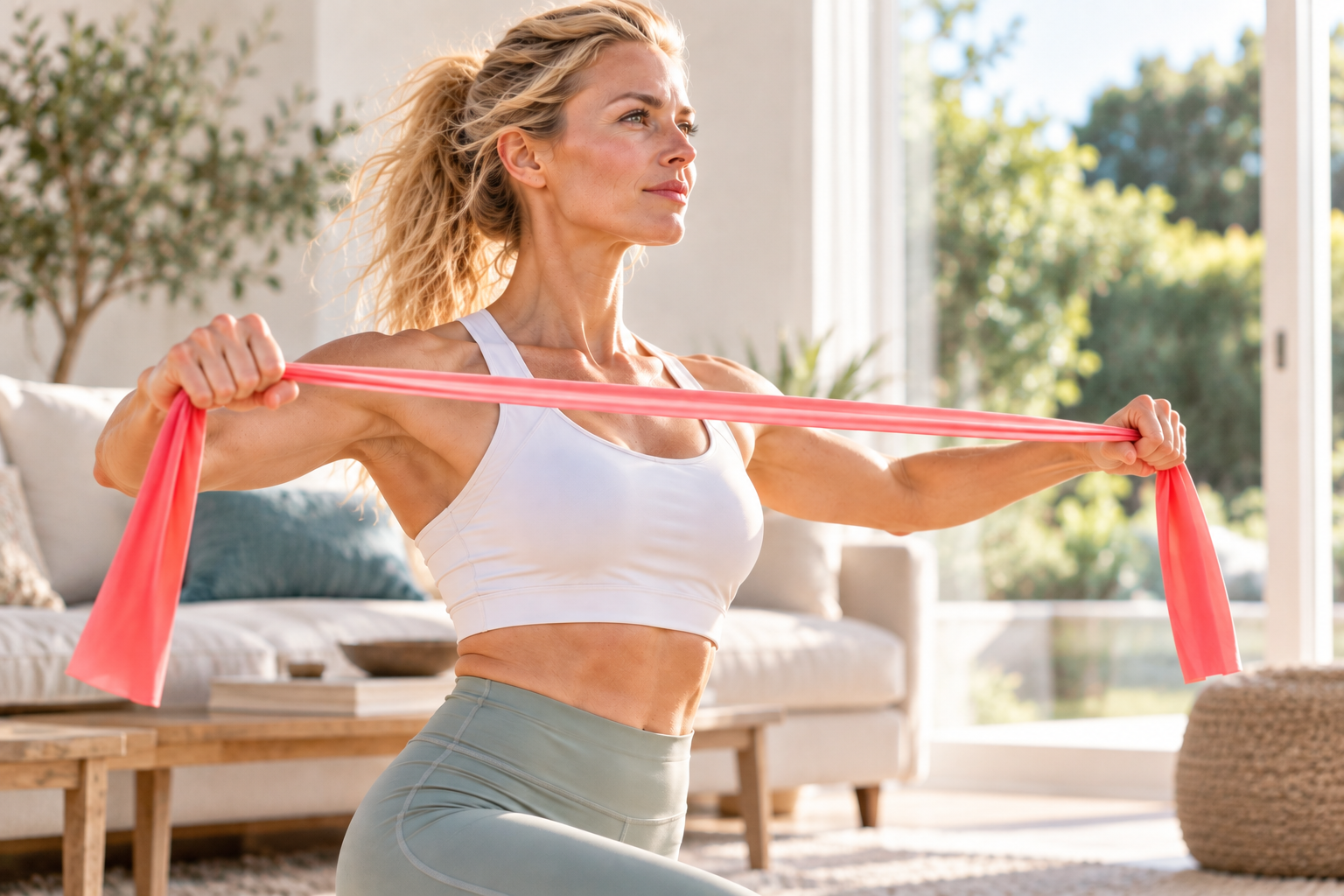
The way out isn't rest. It's better movement — rebuilding balance, coordination and body awareness so you stay in charge of how you move.
Don't just move less to protect yourself. Move better to stay capable.
WHY HAVEN’T I HEARD ABOUT THIS BEFORE?
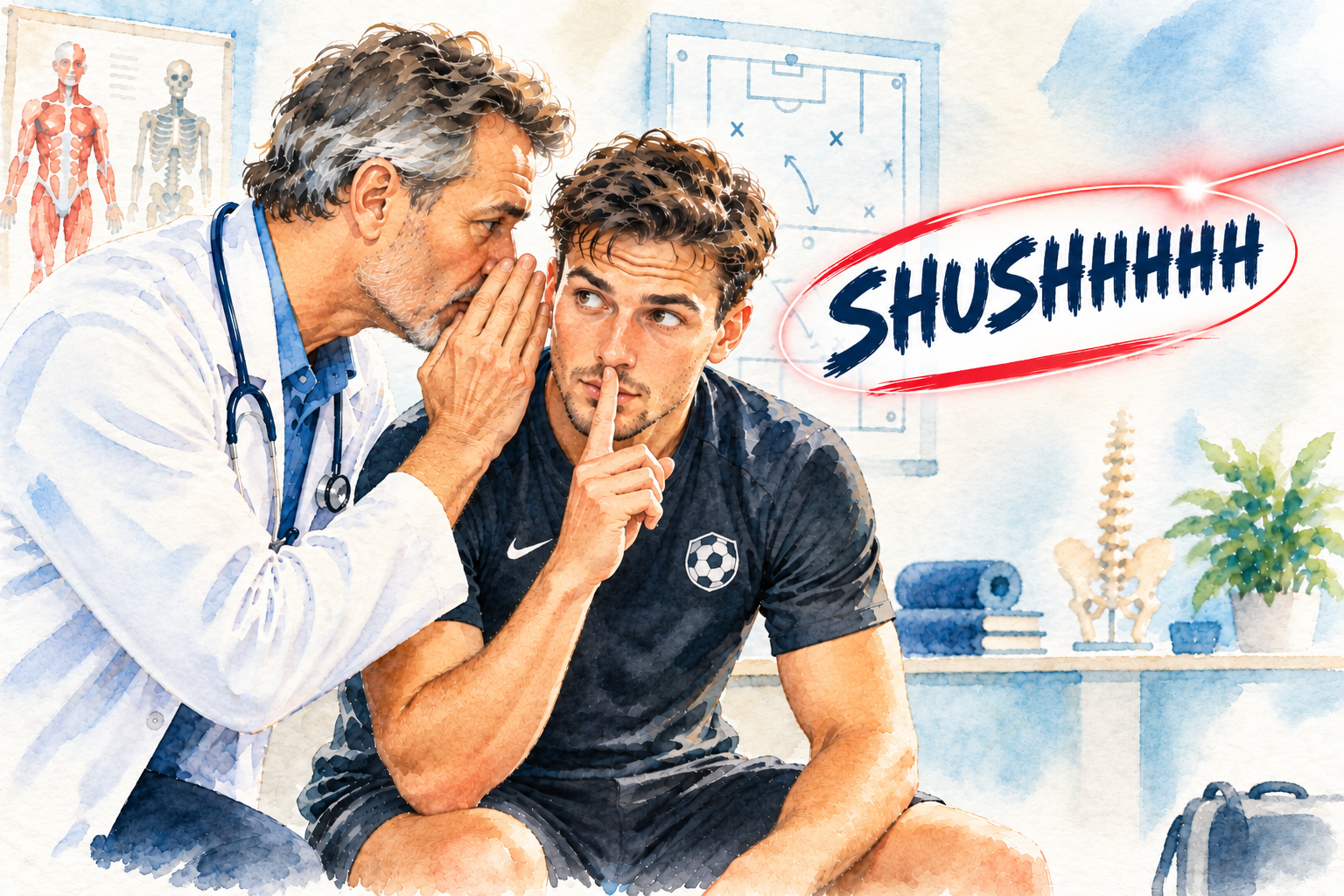
Elite athletes and professional sports teams have invested in recovery technology for years.
Red and near-infrared light. Photobiomodulation. Targeted laser.
Technology that most of us have simply never been told about.
THIS TECHNOLOGY IS NOW AVAILABLE TO EVERYONE.
But only if you know about it.
WHAT A DIFFERENCE 20 YEARS MAKES.
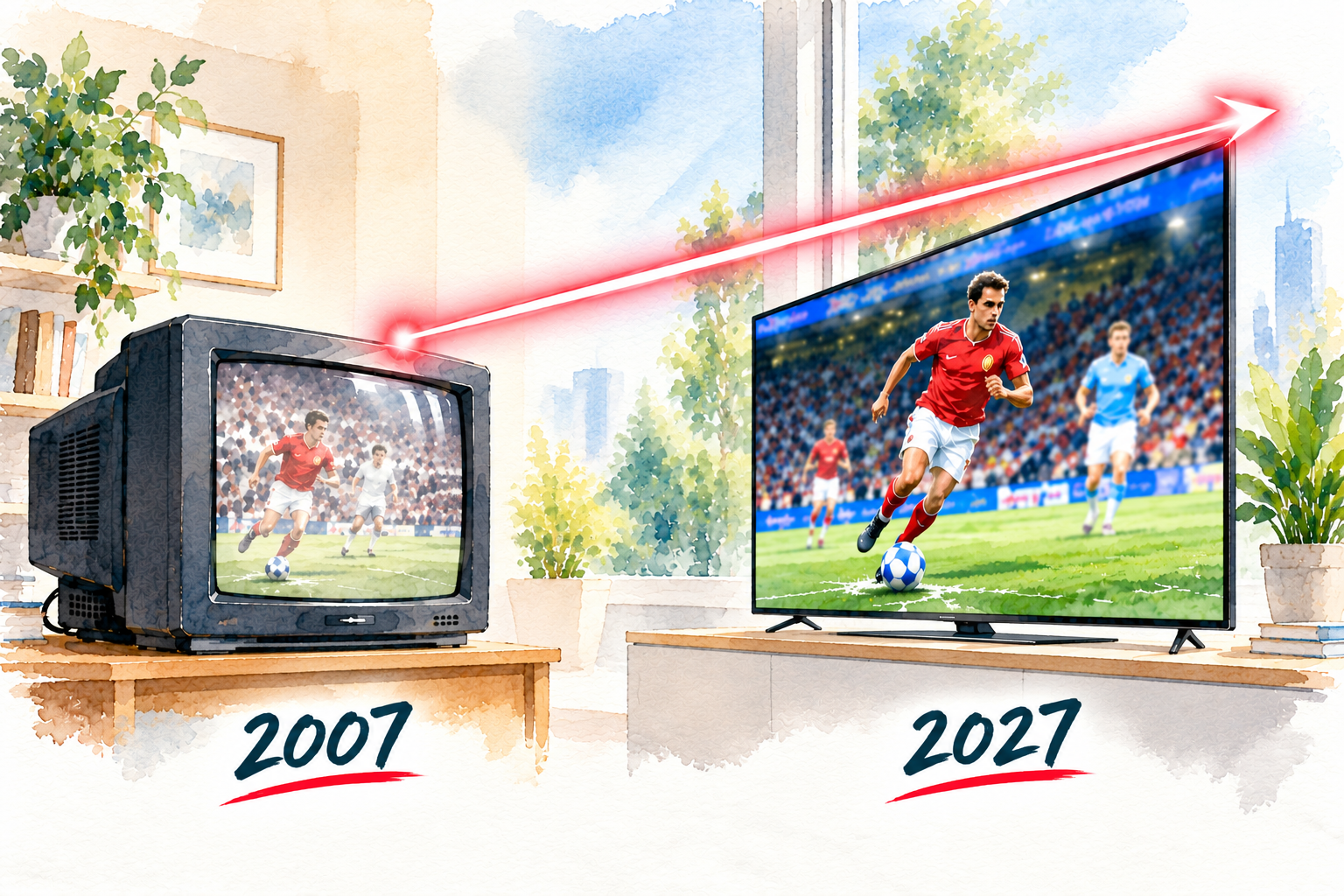
In 2007, technology looked very different.
Televisions were thicker. Phones were simpler. LEDs and laser diodes were more expensive.
Twenty years of development changed what technology can do — and what it costs to access it.
LIGHT TECHNOLOGY CHANGED TOO.
Red and near-infrared light technology that was once largely associated with specialist equipment is now available in compact devices designed for home use.
The technology didn’t suddenly appear. It became accessible.
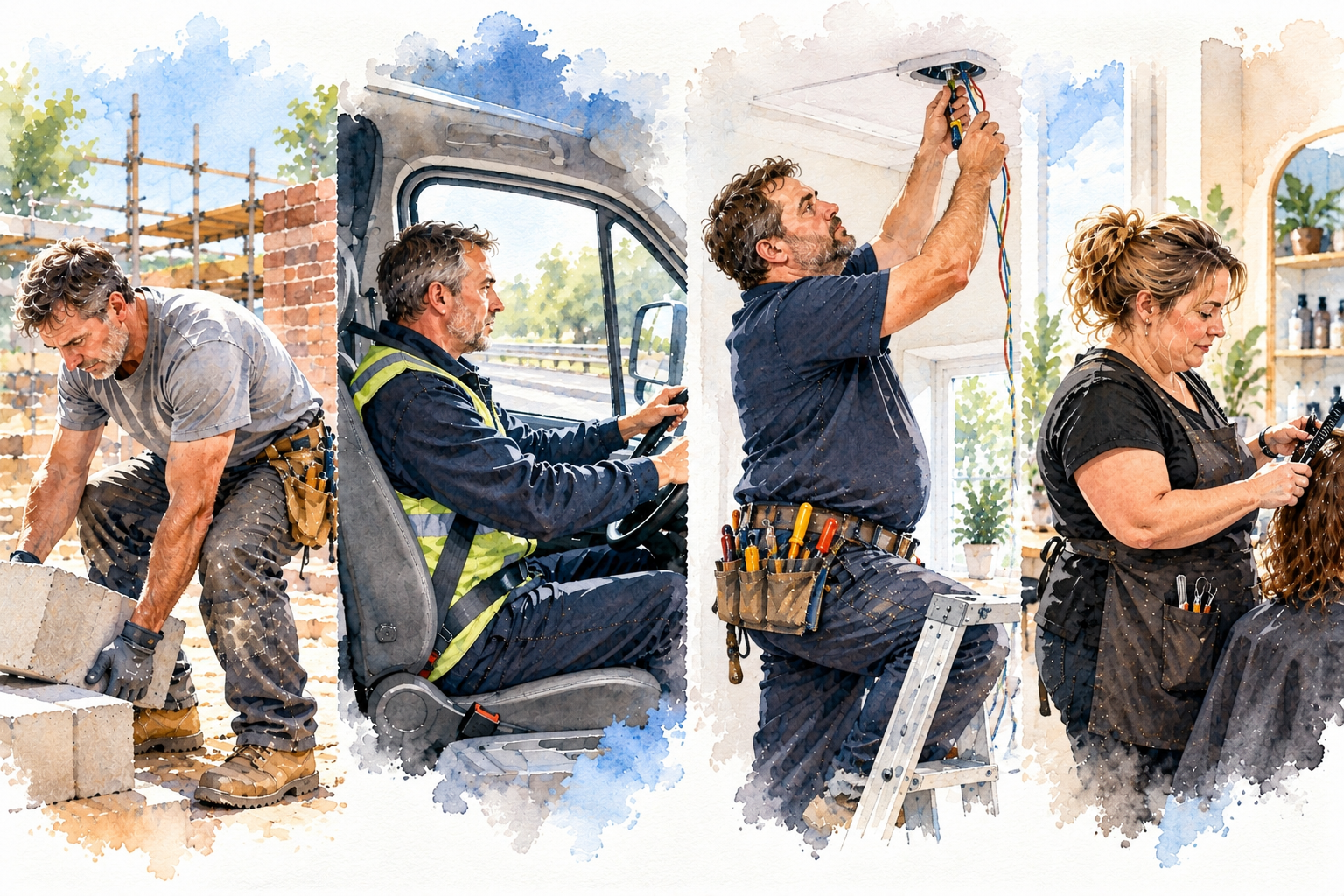
YOU DON’T HAVE TO BE AN ELITE ATHLETE TO TAKE RECOVERY SERIOUSLY.
You may be a builder, driver, electrician, hairdresser or technician.
Different jobs. Different demands.
YOUR BODY MAY NOT EARN YOU A PREMIER LEAGUE SALARY — BUT YOU STILL DEPEND ON IT.
Make recovery part of your routine.
IF MOVEMENT CAME IN A TABLET…
…it might be the most valuable medicine ever discovered.
Movement matters.
Recovery matters too.
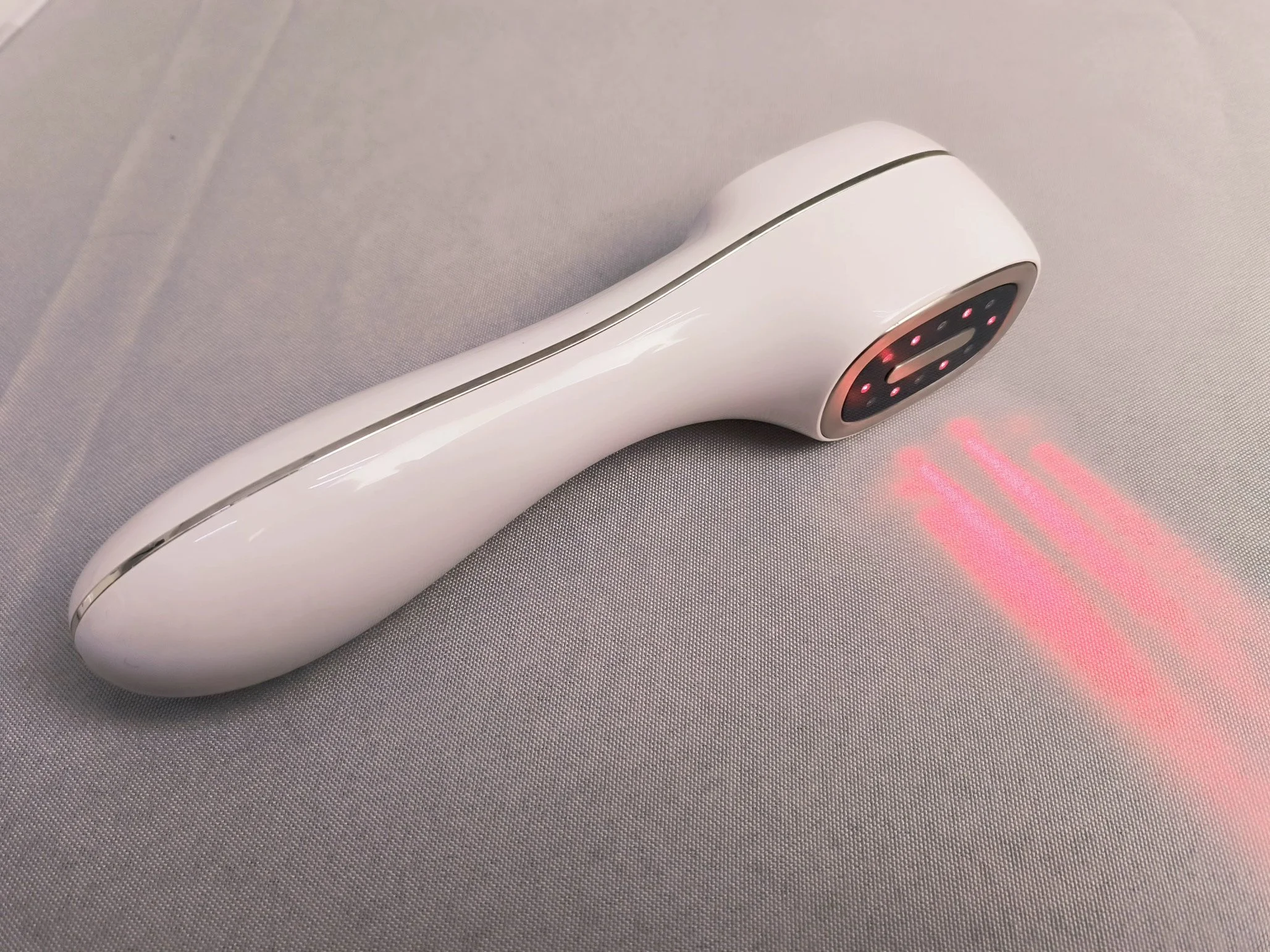
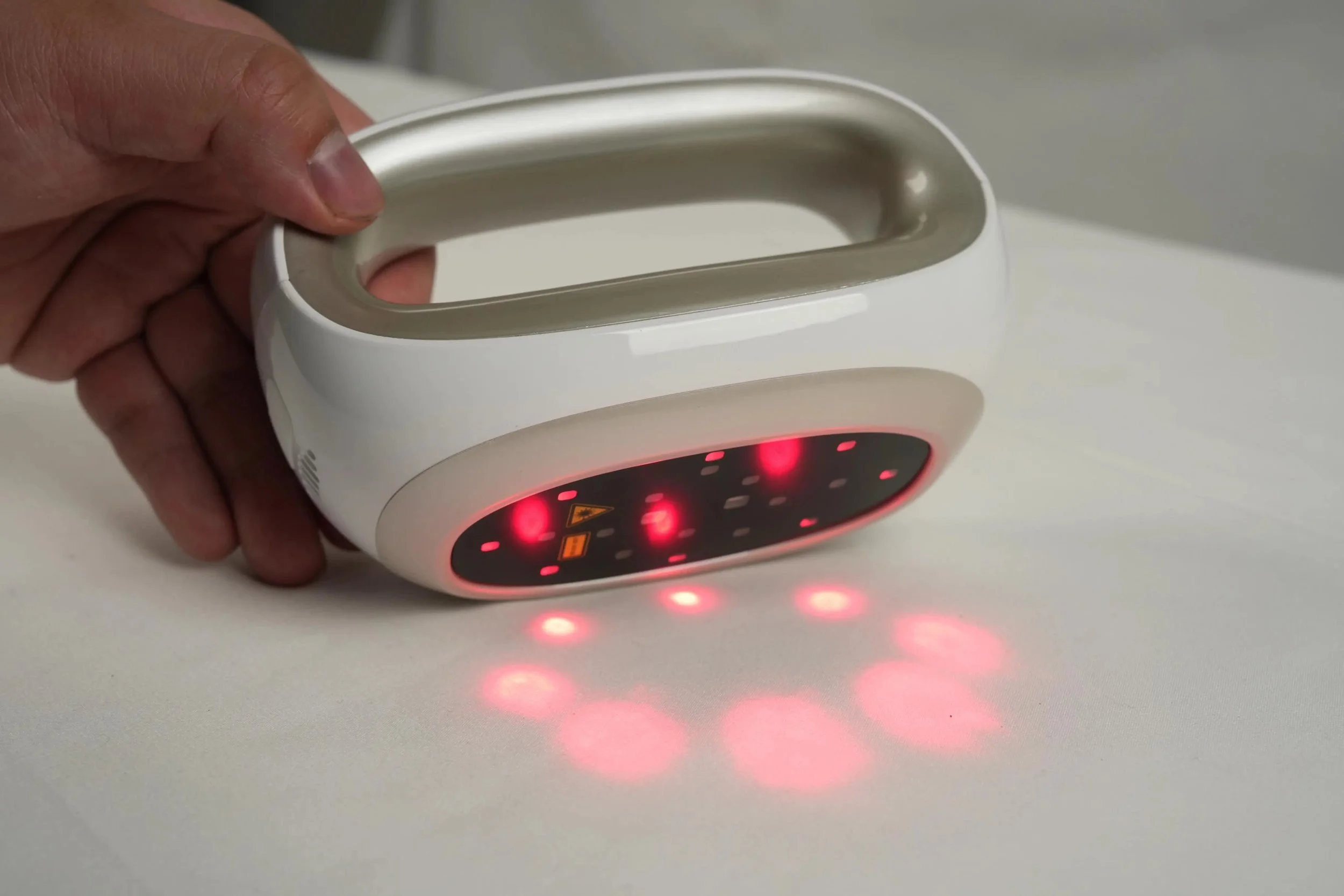
RECOVER. KEEP MOVING.
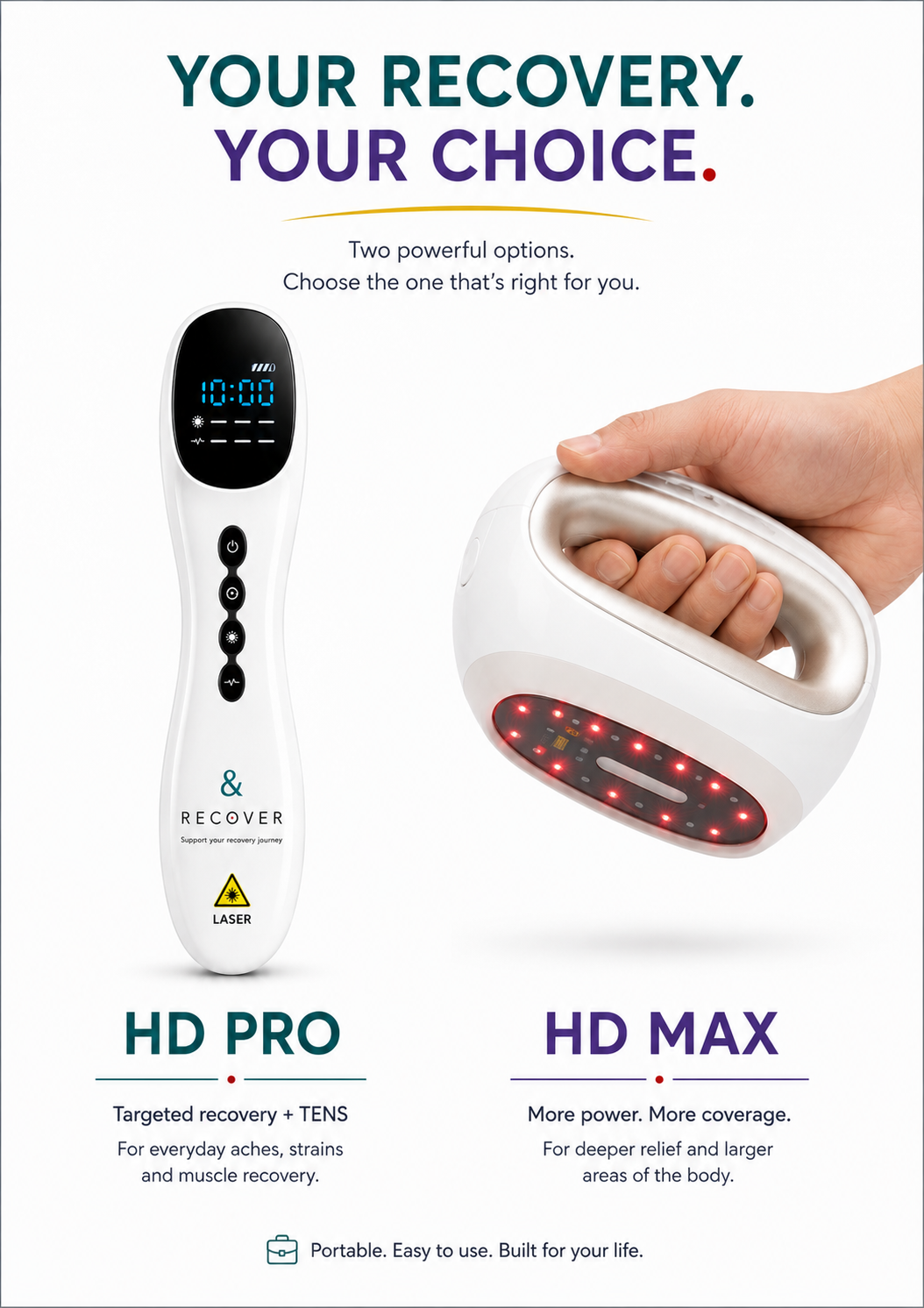
Two devices. One simple choice.
&Recover Pro — £249
Two wavelengths (650nm and 808nm) · built-in TENS · light and portable for home, office and travel
&Recover Max — £299
Higher output (1600 mW) · four wavelengths (650, 808, 940 and 1064nm) · broader, faster sessions · no TENS
Both include free UK shipping and a 30-day money-back guarantee.
MOVE WITH MORE CONFIDENCE.
&MOVING brings together balance, movement awareness and practical demonstrations to help you stay capable, active and independent.
Red light is one part of the picture. We believe it works best alongside regular movement, which is why we’re always happy to share simple movement advice to complement your routine.
NOT SURE WHERE TO BEGIN?
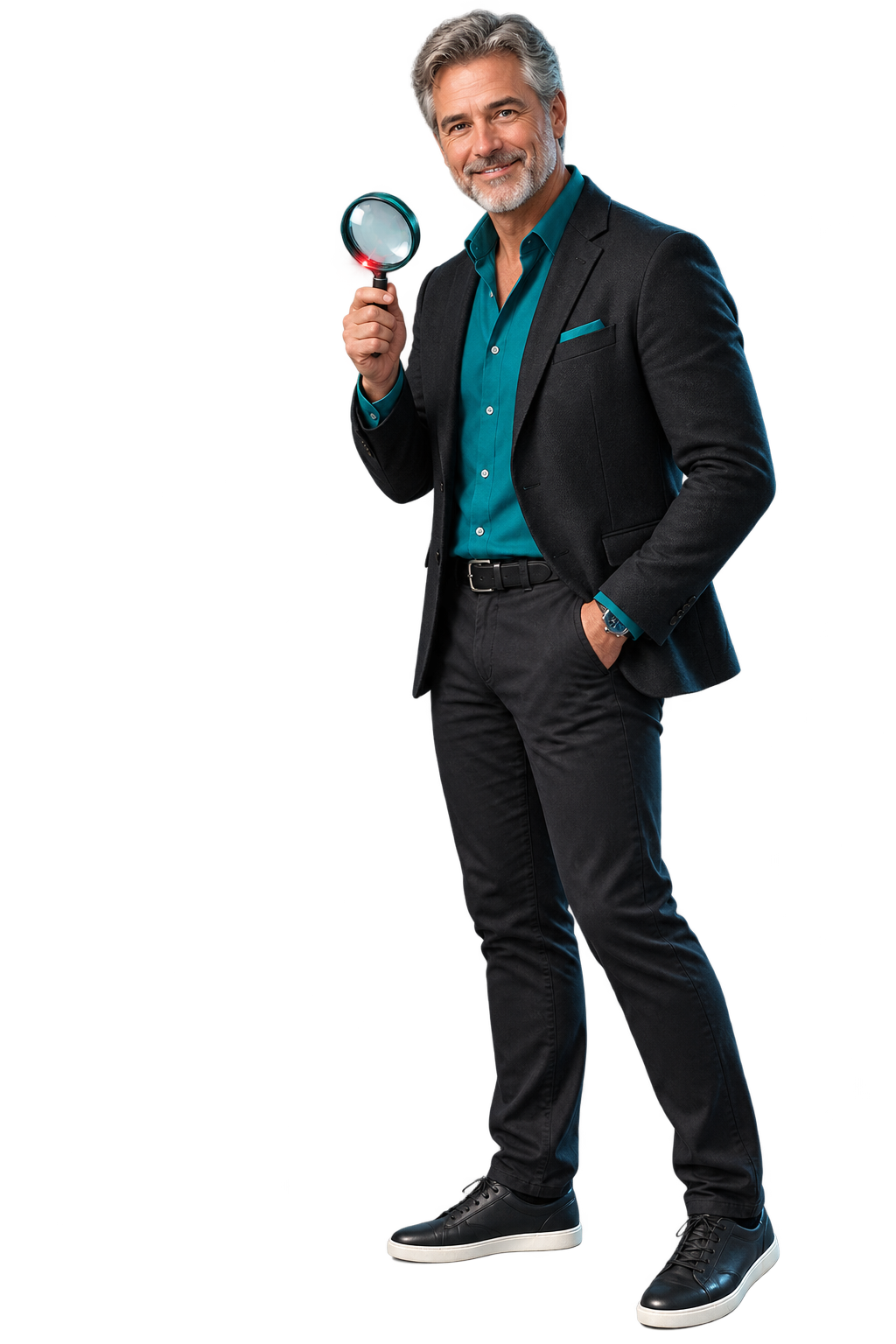
Meet André Cover, our wellness detective.
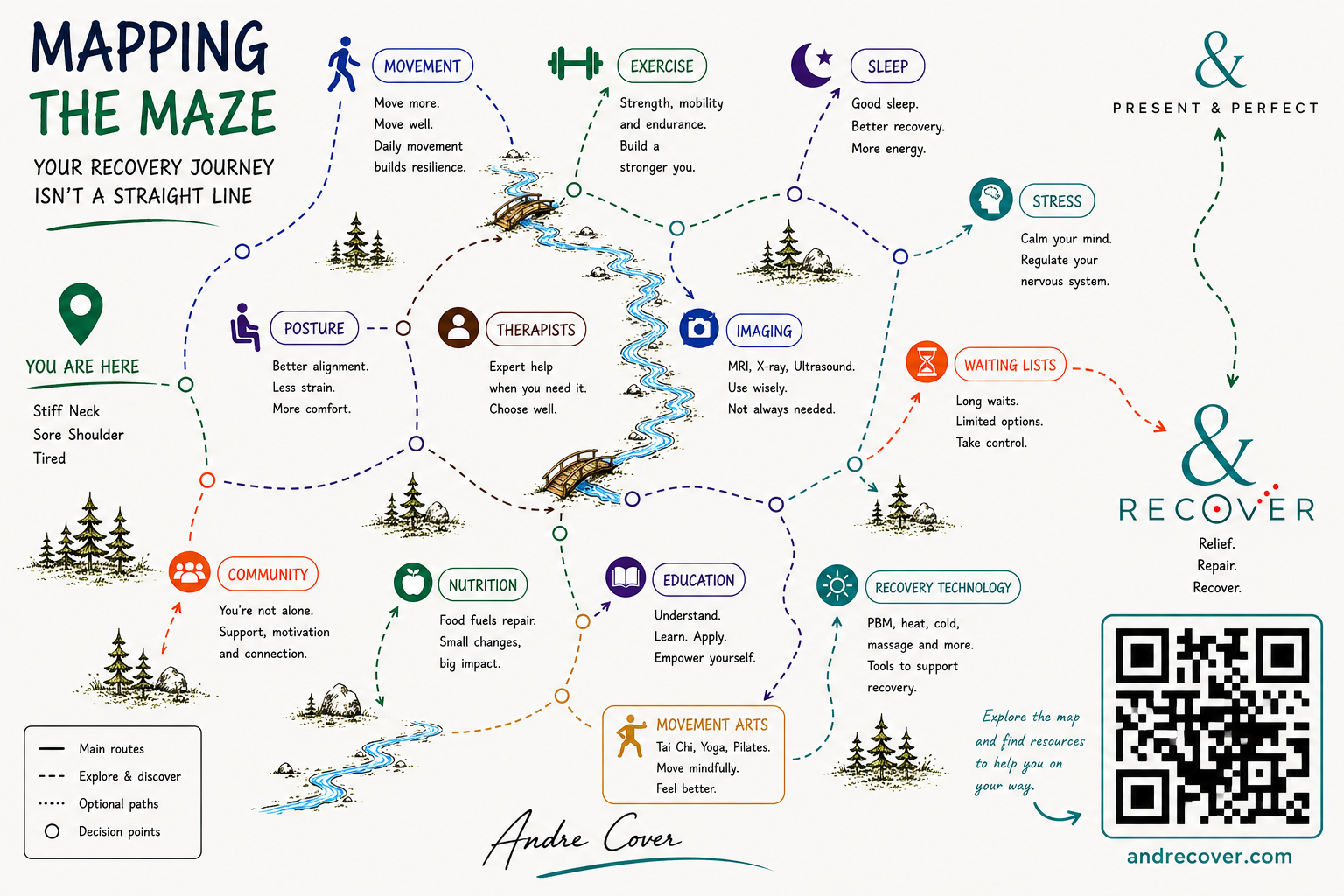
André researches and reports on the latest discoveries in recovery, movement and red light. He can also help you explore the MSK pathways open to you: physiotherapy, imaging, waiting lists, exercise, movement and home technology. He’ll explain your options clearly, so you can choose your next step with confidence.
André is our AI guide. He gives information, not medical advice. For a diagnosis or treatment, please speak to a qualified health professional.